Follow us
Overview: The Storytelling Program, developed by ChildsPlay International and implemented by HAF Uganda in Palabek Refugee Settlement, uses storytelling as a tool to support learning, creativity, and psychosocial well-being among children affected by displacement.
The program is grounded in the understanding that many vulnerable children face challenges in expressing emotions and experiences. By integrating oral storytelling with drawing, the initiative provides a safe, culturally relevant platform for children to communicate, build confidence, and reconnect with their cultural identity. It also responds to the growing need for interactive, human-centered learning approaches in an increasingly digital world.
The Storytelling Program promotes creative learning, imagination, and emotional expression among vulnerable children, particularly those affected by displacement. By using storytelling as both an educational and psychosocial tool, the program helps children build confidence, strengthen communication skills, and connect with their cultural heritage while developing important social and life skills.
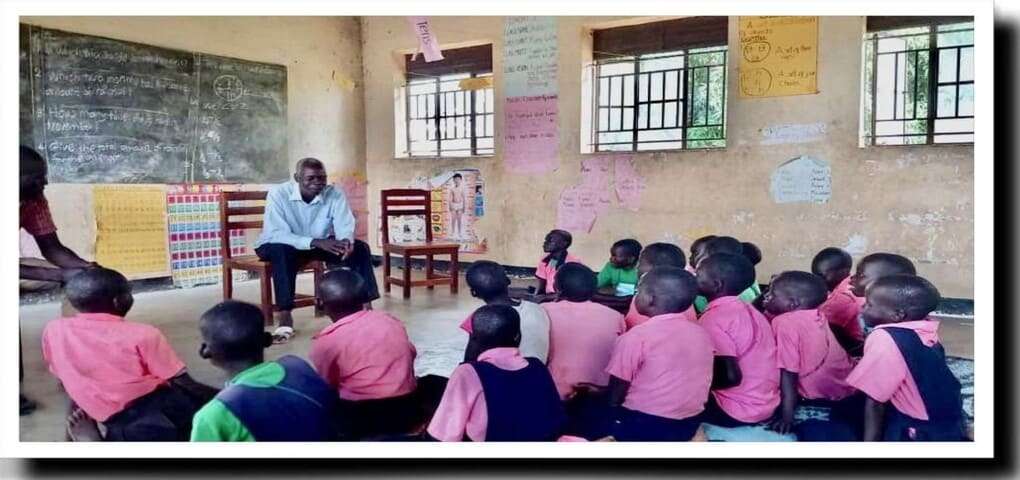
Key activities include facilitating structured storytelling sessions in schools and community spaces, led by trained storytellers using culturally relevant narratives. These sessions are complemented by drawing activities that allow children to express their understanding and emotions creatively. The program is supported by volunteers who ensure child participation and welfare, while team leaders coordinate implementation and simple recording tools are used to document sessions for learning and sharing.
The program primarily benefits vulnerable children, including refugees and host community learners in early and primary education, while also engaging teachers, facilitators, parents, and community members. Implemented in Palabek Refugee Settlement and surrounding host communities in Northern Uganda, the initiative aims to improve children’s communication and self-expression, enhance psychosocial well-being and resilience, promote cultural preservation, and foster greater community involvement in children’s learning and development.